Tools & Equipment
What to buy, what the specs mean, and how to use it without damaging the tool or yourself.
-
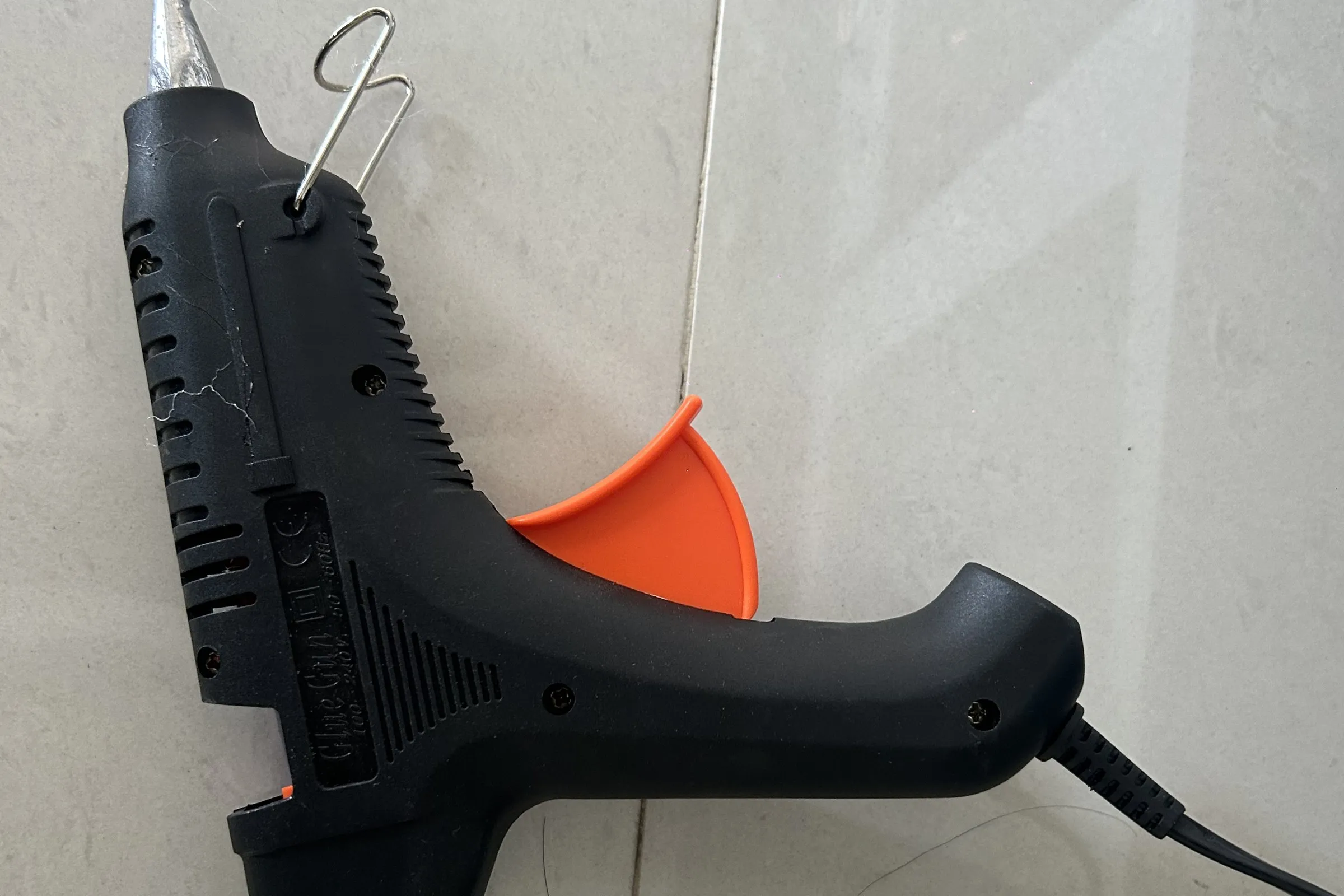
Hot Glue Gun: What It Actually Holds, and What It Will Not
Hot glue is excellent on porous materials and useless on load, heat and oily plastics. Here is where it belongs and which gun to buy.
-
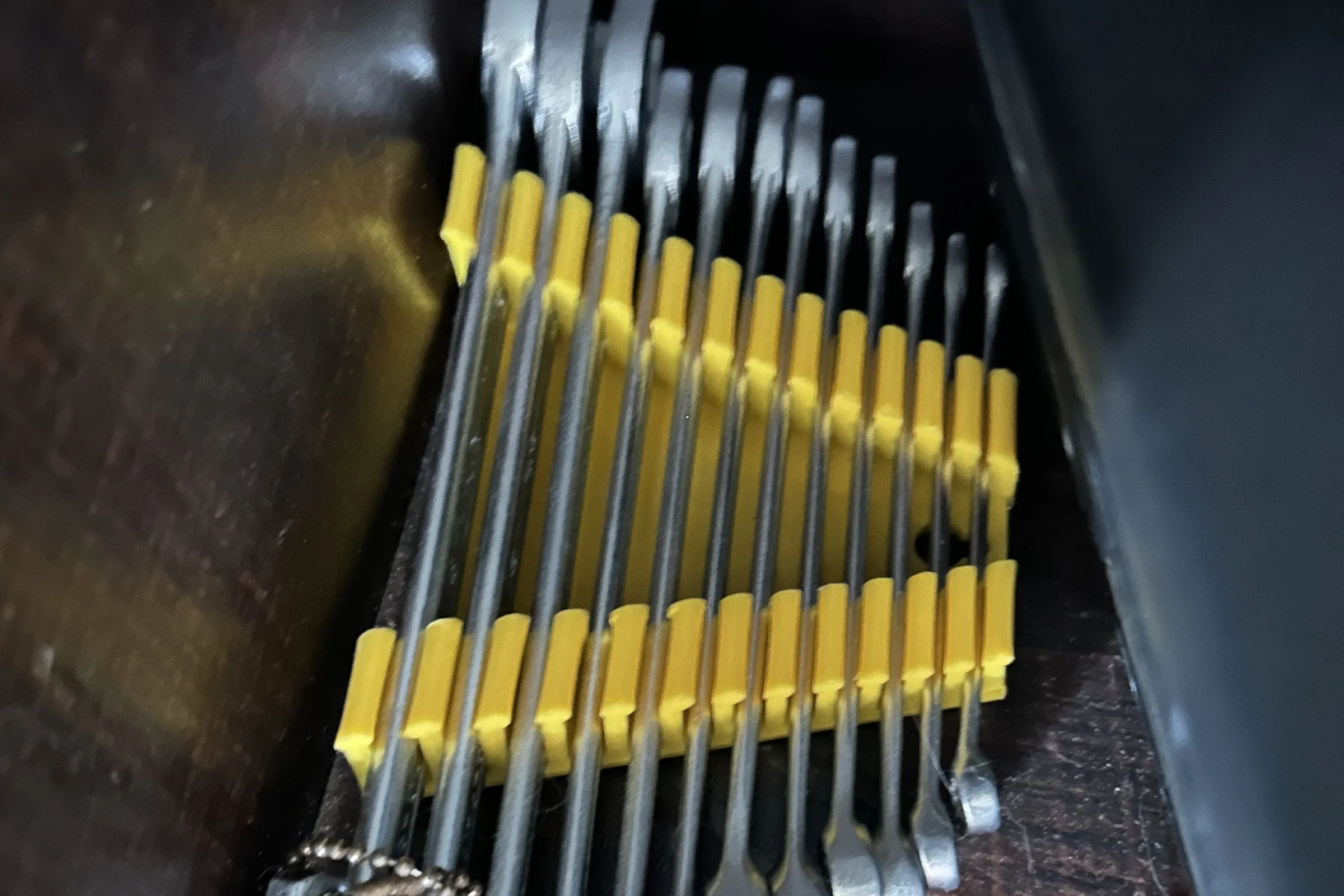
Spanner Set Sizes: The Ones You Actually Reach For
Most metric jobs live between 8 and 19 mm. Here is which sizes earn their place, why the ring end matters, and where spanners beat a socket set.
-
Jack Stands: Rating, Placement, and the Mistakes That Kill People
A trolley jack is a lifting device, never a support. Here is how to rate stands correctly, where to place them, and the redundancy that makes it survivable.
-
Buying a Socket Set: Drive Sizes, 6 vs 12 Point, and What to Skip
One 3/8-inch set covers most work. Here is how drive sizes divide up, why 6-point sockets matter on rusted fasteners, and which 200-piece kits waste your money.
-
Using a Multimeter on a Car: The Five Measurements Worth Knowing
Voltage drop, continuity, resistance, current, and duty cycle. What each one diagnoses on a vehicle, and the mistakes that blow the meter's fuse.
-
Sizing an Air Compressor for a Home Garage
CFM at 90 psi is the only spec that matters, and tank size is not it. Here is how to match a compressor to the tools you actually plan to run.
-
Impact Driver vs Drill: Which One You Actually Need
They are not interchangeable. A drill controls torque smoothly for holes; an impact driver hammers rotationally for fasteners. Here is when each wins.
-
How to Choose a Torque Wrench: Range, Type, and What to Skip
Most home mechanics need one 3/8-inch click wrench, not three. Here is how to pick the range that covers your work and what the extras actually buy you.